

WordPress websites for small business, ecommerce and healthcare

WORDPRESS FOR ECOMMERCE

WordPress and WooCommerce for online stores that sell more and stay fast

Product pages, checkout and payments built on WooCommerce, with the speed and SEO work that turns store visits into orders. Full control over your store, without monthly platform lock-in.

PROBLEMS WE SOLVE

Where most sites in this space fall short

Product pages do not rank

Thin descriptions and duplicate titles make it hard for shoppers to find products in search.

Checkout loses buyers on mobile

Slow steps and too many fields send shoppers away before they pay.

Too many plugins slow the store

Unused scripts add weight to every page and drag down speed on the pages that matter most.

Stock and variants are hard to manage

Messy product setup creates errors, out-of-stock surprises and slow work for the team.

Shipping and tax rules are confusing

Unclear costs at checkout are a common reason shoppers abandon carts.

Reviews are not used for sales

Product ratings and reviews are hidden or not marked up, so they do not help search or buyers.

BUILT WITH

The tools behind the build

WooCommerceStripePayPalProduct schemaShipping rulesSpeed optimisation

Why product pages decide sales

A product page has one job: help the shopper decide. That means a clear title with the product name and key detail, a description that answers real questions about fit, use and care, and images that show the product from useful angles. We write and structure these pages so search engines and shoppers both understand them.

Structured data helps as well. Product schema describes price, availability and reviews in a form search engines can read. We add it only for information that is visible on the page, so the markup stays honest and accurate.

Checkout and speed on mobile

Most store visits happen on phones, and checkout is where many buyers drop off. We review each step: how many fields are required, how payment options appear, and whether the page loads quickly on a mid-range phone. Small changes, such as clearer shipping costs or a guest checkout option, often make a visible difference.

Speed work focuses on what matters for shoppers: image sizing, script loading and reducing plugins that run on every page. We measure before and after, so you can see what changed.

Running the store after launch

A store needs ongoing care. Stock levels, promotions, shipping rules and new products all change. We train your team to manage them, and we review sales and speed each month, so problems are caught early.

FAQ

Questions store owners ask

Is WooCommerce good for a growing store?

Yes. It scales well with the right hosting and setup, and it gives you full control over products, checkout and data.

Can you move my Shopify store to WooCommerce?

Yes. We move products, categories and content, then map every URL so search rankings are protected as far as possible.

Will my store be fast on mobile?

We measure speed before and after the work. Images, scripts and checkout steps are the main levers.

Which payment gateways can I use?

We set up gateways such as Stripe and PayPal, and others depending on your country and business type. We confirm the options before we build.

Can my team manage products and orders?

Yes. We train your team to add products, manage stock and handle orders, so you do not need a developer for daily work.

Ready to improve your WooCommerce store?

Share your store address. We reply within 24 hours with the top fixes and a quote.
wordpress for ecommerce

WordPress for ecommerce with WooCommerce

WordPress for ecommerce uses WooCommerce to run product pages, checkout and payments, with the speed and SEO work that turns visits into orders. You keep full control of your store, your data and your costs, without being locked into one platform. The result is a store that you can change as your range and your markets grow.

Product pages that rank and sell

We write clear product titles, useful descriptions and category pages that match buyer searches. Product structured data describes price, availability and reviews in a form search engines can read. Google’s guide to product structured data explains the rules, and we add markup only for information visible on the page.

Fast checkout on mobile

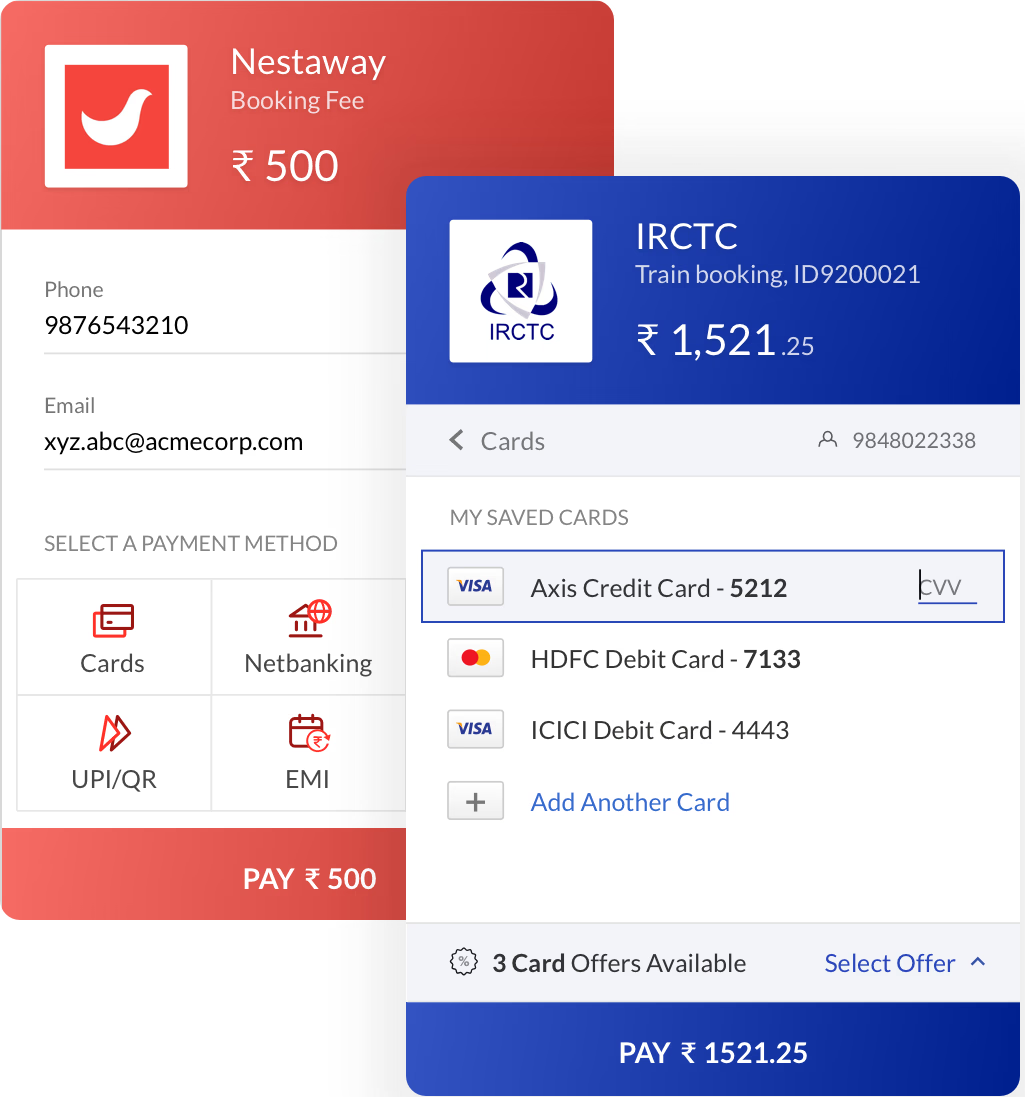
Checkout is where many shoppers leave. We reduce steps, show shipping costs early and make sure payment pages load fast on a mid-range phone. Small changes, such as a guest checkout option or clearer delivery dates, often make a visible difference. Test your store with the WordPress speed checker and check structured data with the JSON-LD schema generator.

Payments, shipping and tax rules

We set up payment gateways such as Stripe and PayPal, plus other options based on your country and business type. Shipping rules and tax settings are configured and tested with real test orders before launch, so buyers never meet a broken step at checkout.

Speed and images

Product images are the largest files on most stores. We size and compress them, load them in modern formats, and reduce scripts that run on every page. Measure your current pages with our speed checker before and after the work to see the change.

Running the store day to day

We train your team to manage products, stock, promotions and orders, so you do not need a developer for everyday work. Compare build costs in our cost calculator, or read the Shopify development page if you are choosing between platforms.

Start your store project

Book a free store audit to see your top fixes, or contact our team to discuss a new store. We reply within 24 hours.

When WooCommerce is the right choice

WooCommerce suits stores that want control over checkout, product data and integrations. It works well for custom product options, subscriptions and business-specific pricing. Because it runs on WordPress, your content marketing and your store can live on the same site, which helps search visibility.

Shopify may suit stores that want a fully hosted platform with fewer technical decisions. Either can succeed. The right choice depends on your products, your team and the features you need now and in the next two years.

Keeping your store fast and trusted

Shoppers trust stores that load quickly, show clear prices and explain returns. Add trust signals near the buy button, such as delivery times and return policies. Keep images sharp but light, and remove apps or plugins that add weight without adding sales.

Our Shopify development page compares the platform options in more detail, and the ecommerce SEO page covers product and category search work.

Reducing cart abandonment

Many shoppers leave because of unexpected costs, a complicated checkout or a lack of payment options they trust. Show shipping and tax early, offer the payment methods your customers use, and send a reminder email to shoppers who leave a cart behind.

Track where shoppers drop off in your checkout, then fix the largest step first. Small improvements add up across a busy store.

Returns and delivery information belong near the product, not hidden in a footer. Shoppers who know the return policy before they buy are more confident, and fewer of them contact support after purchase. A short, clear policy is one of the simplest trust signals a store can add.